
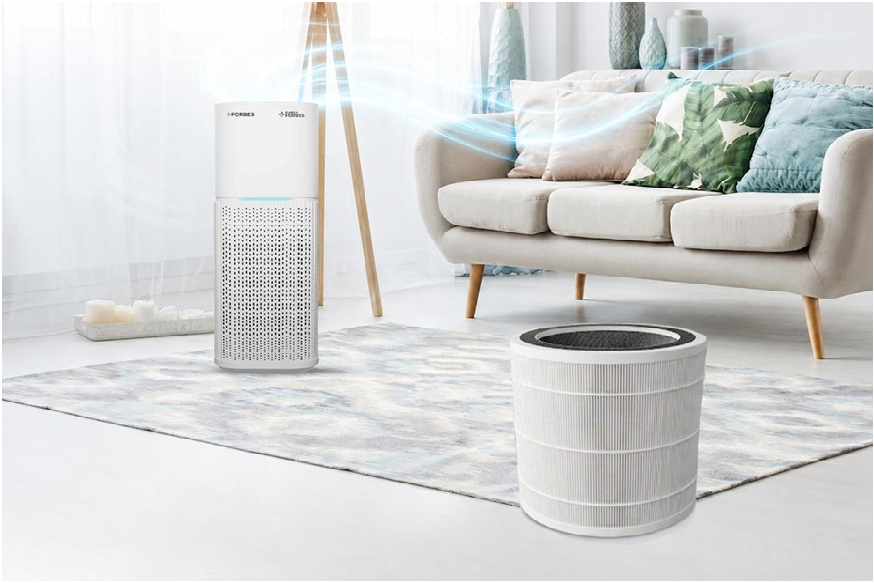
Your air purifier may still be running, but that does not always mean it is working effectively. Many people continue using the same filter for too long without noticing the warning signs. Over time, clogged filters can reduce airflow, trap fewer pollutants, and affect indoor air quality. At times, dirty filters can cause the purifier to work harder to maintain airflow. Replacing the filter at the right time can help your air cleaner operate efficiently and maintain better indoor air quality.
Why Air Filters Matter in an Air Purifier
When you purchase an air purifier, maintaining the air filter is an important part of ensuring that the appliance functions efficiently. The filter captures and removes pollutants present indoors, such as dust, pollen, pet dander, smoke, mold spores, and even microscopic particles as small as 0.3 microns. However, as dust and particles continue to accumulate, the filters may gradually lose their effectiveness and restrict airflow. Therefore, regular cleaning and timely filter replacement are important to help the purifier maintain efficient indoor air purification.
How Often Should You Change an Air Purifier Filter?
In most cases, HEPA filters need replacement every 6 to 12 months, while activated carbon filters are usually replaced every 3 to 6 months. The pre-filters should be cleaned monthly. Some of the factors that affect the lifespan of an air filter are:
- Type of filter: Filter lifespan may differ based on the type of filter installed in the air purifier.
- Air quality in your area: Living in areas with high pollution or dust levels can reduce filter lifespan due to quicker clogging from airborne particles.
- Frequency of usage: The more frequently the air purifier is used, the faster the filter will need to be replaced due to exposure to pollutants.
- Maintenance and cleaning: Regular cleaning and timely filter replacement can help prevent heavy debris buildup and support a longer filter lifespan.
Signs You Are Changing Your Air Filter Too Late
If you are waiting or delaying the replacement of the air filter, it can reduce the effectiveness of the air purifier. These are some common signs that indicate your air filter may need replacement.
-
Reduced Airflow from the Purifier
A clogged filter decreases the airflow from your air purifier, requiring replacement.
-
More Dust Settling Around the House
Increase in dust, allergens, or unpleasant odours in rooms. The filter can’t trap dust particles efficiently, allowing them to circulate and settle on furniture, floors, and surfaces.
-
Allergy or Breathing Issues Become More Noticeable
Sneezing, coughing, irritated eyes, asthma flare-ups, and general respiratory discomfort increase when filters fail to capture allergens like pollen, pet dander, and mold spores. If allergy symptoms worsen indoors, your filter is likely overdue for replacement.
Read More: 3 Common AC Problems Every Homeowner Shouldn’t Ignore
-
The Filter Looks Dark or Clogged
If the filter appears dark grey, brown, or black with visible dirt buildup, it’s clogged. A clean filter is typically white or light-coloured. When you can see dust, debris, and particles piled on the filter media, replacement is immediately necessary.
-
Your Air Purifier Is Getting Noisier
A dirty filter puts extra stress on the fan motor, causing unusual noises such as humming, straining, or whining. The motor has to work harder to push air through the blockage, which creates louder operation and can shorten the purifier’s lifespan.
-
Filter Replacement Indicator Turns On
Many modern air purifiers have built-in sensors that monitor filter condition and activate a replacement indicator light when the filter reaches the end of its useful life. When this light turns on, don’t ignore it. The sensor is telling you the filter’s efficiency has dropped significantly.
Read More: How to Choose the Right Water Cooler For Your Office?
Tips to Make Air Purifier Filters Last Longer
An air cleaner works best when its filter is properly maintained, as clogged filters can reduce airflow, lower purification efficiency, and affect indoor air quality over time. Here are some tips to ensure air purifier filters last longer:
- Clean the pre-filter frequently to reduce dust accumulation.
- Keep doors and windows closed during high pollution levels.
- Vacuum and dust your home often to reduce airborne particles.
- Avoid smoking indoors, as smoke can clog filters quickly.
- Use high fan speeds only when necessary.
- Place the air purifier where airflow is not blocked.
- Refer to the manufacturer’s guidelines for proper cleaning and filter replacement intervals.
Conclusion
Changing your air purifier filter on time helps maintain better indoor air quality and supports consistent purifier performance. Signs such as weak airflow, lingering odours, excess dust, and increased noise are often easy to overlook but can indicate that the filter needs attention. Proper upkeep, replacing filters when needed, and using the right filter type can help maintain purifier performance and extend its lifespan.
