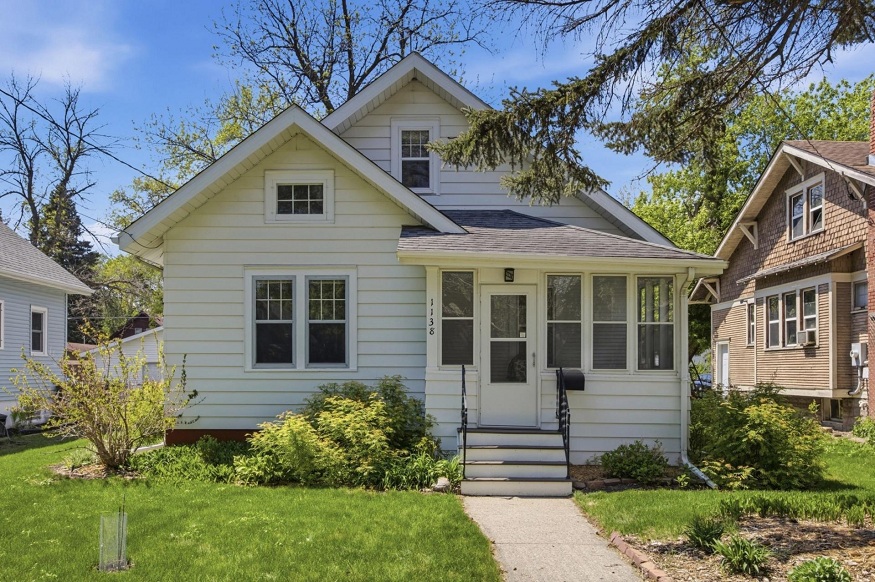
Finding the right rental home in Iowa City starts with understanding what matters most to you. Whether you are moving for school, starting a new job, relocating with family, or simply looking for a better living arrangement, the local rental market offers a variety of housing options. Your budget, preferred neighborhood, commute, and daily lifestyle should guide your search from the beginning.
When comparing apartments in Iowa City for rent, look beyond the advertised monthly price. A comfortable home should also fit your transportation needs, preferred floor plan, storage requirements, and expectations for privacy and convenience. Consider how close the property is to work, campus, grocery stores, parks, restaurants, and essential services. A slightly higher rent could provide better access to the places you visit regularly, potentially reducing transportation time and expenses.
Time Your Iowa City Rental Search Carefully
Timing can make a meaningful difference when searching for a rental in Iowa City, particularly for students. Many local leases are structured around an August-to-July cycle, and current Iowa City listings include multiple leases beginning in early August and continuing through the following summer. University of Iowa housing also follows a strong fall cycle, with 2026 move-in dates beginning in mid-August.
Read More: How to Choose the Right Plumbers in Garland, TX
If you are a student planning to move for the fall semester, start monitoring available apartments well before your desired move-in date rather than waiting until the summer. Some properties begin marketing or renewing leases months in advance. Professionals and other renters with more flexible move-in dates can also look for properties with immediate, spring, summer, or shorter-term availability. The earlier you establish your preferred move-in date, the easier it is to compare lease terms and available neighborhoods.
Choose an Iowa City Location That Fits Your Routine
Location has a direct effect on your everyday experience. If you attend the University of Iowa, living near campus or along a convenient transit route can simplify your schedule. Working professionals may prioritize access to major roads, employment centers, or reliable public transportation. If you value quiet surroundings, look for residential areas away from high-traffic streets and entertainment districts.
Iowa City has several distinct neighborhoods worth considering. Northside is directly north of downtown and adjacent to the University of Iowa, making it convenient for students, faculty, and staff. Longfellow is southeast of downtown and within easy walking and biking distance of downtown and the university, while Grant Wood/Wetherby in south Iowa City offers established residential streets, parks, and trail connections that can appeal to renters seeking a more residential setting.
Read More: Siding Company in Iowa City, IA: How to Choose the Right Siding
Transportation can also affect whether you need dedicated parking. University of Iowa CAMBUS operates fare-free fixed routes through campus and is open to the public, while Iowa City Transit operates routes serving areas such as South Iowa City, Eastside, Peninsula, North Dodge, Towncrest, and West Iowa City. Checking nearby bus stops and routes can give you an alternative to paying for or competing for parking.
Before choosing a property, explore the surrounding area at different times of day. Check parking conditions, traffic patterns, lighting, pedestrian access, and nearby amenities. This simple step gives you a better understanding of what living there will actually feel like.
Evaluate Apartment Features, Insurance, and Total Monthly Costs
A rental that looks affordable at first glance can have additional expenses. Ask for a clear breakdown of rent, utilities, parking, pet fees, deposits, renters insurance requirements, and other recurring charges before signing anything. Understanding the complete monthly cost helps you compare properties accurately.
Renters insurance is another detail worth checking before you sign a lease. Iowa guidance recommends renters insurance because a landlord’s insurance generally protects the building rather than the tenant’s personal belongings. Some lease agreements may also require tenants to maintain coverage, so review the insurance provisions and any proof-of-coverage requirements carefully.
Pay attention to practical features that influence daily comfort. In-unit laundry, air conditioning, adequate storage, updated appliances, secure entry, parking, and reliable internet access can make a meaningful difference. If you work or study from home, evaluate available space for a dedicated workspace and consider noise levels within and around the building.
Review the Lease, Deposit, and Move-In Requirements Before You Commit
The lease establishes your responsibilities as a renter, so read it carefully. Check the rental term, renewal procedures, security deposit conditions, maintenance responsibilities, guest policies, pet rules, renters insurance requirements, and requirements for ending the agreement. Ask questions about anything unclear before signing.
Iowa law provides that a landlord must, within 30 days after the tenancy ends and after receiving the tenant’s mailing address or delivery instructions, return the rental deposit or provide a written statement specifying the reason for withholding all or part of it. The state law also limits a security deposit to no more than two months’ rent. Keep your forwarding address or delivery instructions up to date so the statutory timeline can begin.
You should also inspect the apartment before moving in. Document existing damage with photographs and written notes, then keep those records with your lease documents. Reporting problems promptly helps create a clear record of the property’s condition.
Make Your Iowa City Rental Search More Efficient
Searching for apartments in Iowa City for rent becomes easier when you establish priorities before scheduling tours. Start by identifying your target move-in date, preferred neighborhood, maximum total monthly cost, bedroom requirements, transportation options, and essential amenities. Then compare properties using those criteria rather than relying primarily on appearance or advertised rent.
For student renters, it can also help to ask whether a property follows an August-to-July lease, offers academic-year terms, or has spring, summer, or sublease options. Current Iowa City listings show a mix of 12-month, academic-year, semester, sublet, and flexible lease arrangements, so the right search strategy depends on when you need to move.
When touring, focus on questions that affect the actual living experience: How is maintenance handled? What utilities are included? Is parking assigned or first-come, first-served? Which bus routes are nearby? Is renters insurance required? What happens when the lease ends? These questions can reveal differences between properties that may not be obvious during a quick tour.
Find a Rental That Fits Your Lifestyle
The best rental choice balances affordability, convenience, comfort, and long-term practicality. As you compare apartments in Iowa City for rent, focus on the features that genuinely improve your daily routine and review every financial and lease-related detail carefully. Consider the timing of your search, the neighborhood that fits your lifestyle, available transportation, insurance requirements, and the terms governing your deposit.