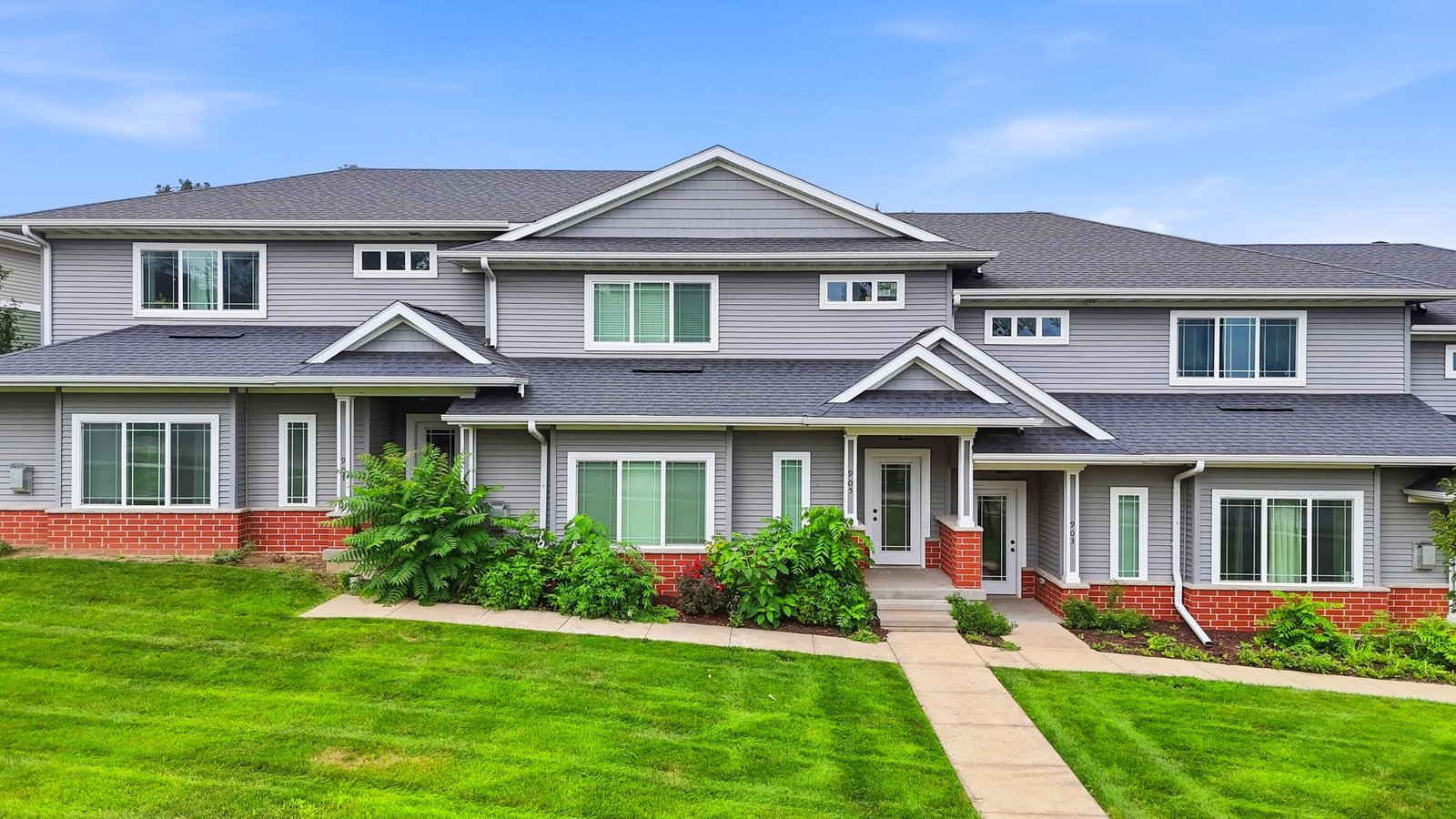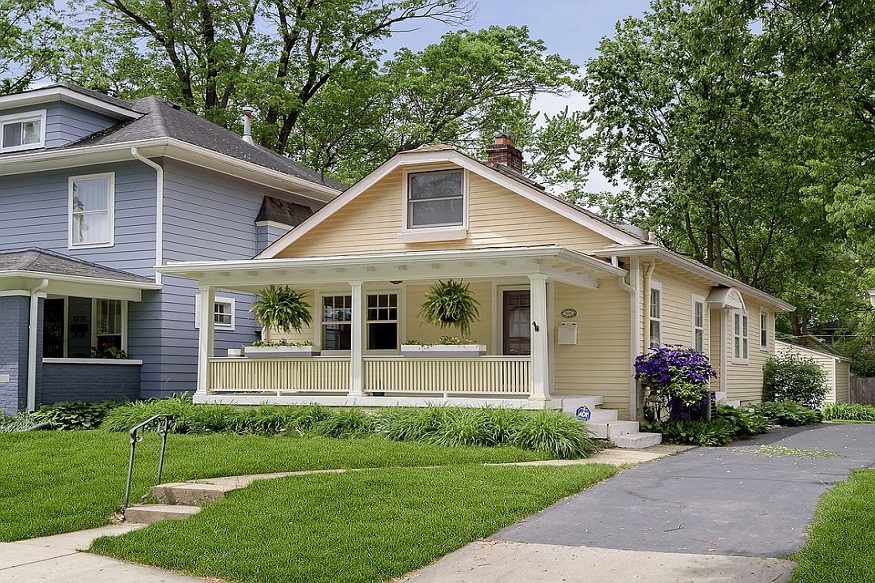
There’s a certain reality to owning property in Indianapolis that only becomes clear when conditions shift unexpectedly. Homes across the city, whether tucked into historic districts or spread through newer suburban layouts, are constantly negotiating with weather, soil, and time in ways that aren’t always visible at first glance.
For homeowners, investors, and property managers, maintaining structural stability here is less about reacting to problems and more about understanding how quickly small disruptions can influence the entire structure. That’s where disciplined residential restoration changes the outcome, the intention shifts from just fixing damage to incorporating a careful, controlled recovery guided by critical parameters.
1. Managing Exterior Systems under Pressure: When Indianapolis Weather Tests the Envelope
Read More: How to Choose the Best Real Estate Developers in Bangalore
Homes in Central Indiana live under constant environmental negotiation. Freeze-thaw cycles, heavy summer storms, and sudden temperature swings don’t just age a property, they actively reshape how exterior systems perform over time.
What often looks like simple siding wear is usually deeper stress within the home’s protective envelope. Once moisture enters behind exterior layers, it doesn’t stay isolated. It spreads slowly into sheathing, framing, and insulation, weakening thermal efficiency long before visible damage appears.
In practice, Residential Restoration Services Indianapolis experts design and execute comprehensive exterior envelope remediation strategies that treat the exterior as a layered system rather than a surface:
- Removing compromised siding sections instead of patching over failure points
- Checking underlying sheathing for hidden moisture or early-stage decay
- Rebuilding with materials designed for regional wind and humidity cycles
- Re-sealing envelope transitions around windows and entry points
In neighborhoods with older housing stock, this becomes even more critical. A small exterior breach can quietly affect comfort, energy performance, and long-term structural stability if it’s not handled with precision rather than speed.
2. Flooring and Soil Movement: The Quiet Shifts Beneath Residential Structures
In Indianapolis homes, clay-rich surfaces beneath foundations expand with moisture and contracts when it dries, slowly shifting foundations, slabs, and subfloors over time.After water intrusion, that movement becomes harder to ignore. A floor may appear stable shortly after drying, but hidden moisture trapped beneath the surface often tells a different story.
The result is delayed failure; cupping wood, lifting adhesives, or recurring soft spots that return long after “repairs” are completed. However, professional remediation focuses beyond the eye sore, to what can’t be seen immediately:
- Monitoring subfloor conditions rather than surface dryness alone
- Using controlled extraction methods beneath hardwood and laminate systems
- Verifying concrete slab conditions before any reinstall begins
- Allowing stabilization time where soil-related movement is active
In areas where seasonal saturation is common, this approach prevents repeat damage cycles that often cost more than the original restoration itself. It’s not about rushing recovery, it’s about ensuring the structure is actually ready to support what comes next within reasonable time.
3. Interior Recovery: Drywall, Paint, and the Hidden Behavior of Air
Interior damage is rarely contained to what’s visible. After water exposure, fire events, or mold conditions, contaminants rarely stay in one zone. They move quietly through HVAC pathways, wall cavities, and ceiling voids long before surface signs appear.
That’s why interior restoration experts blend aspects of replacement materials and environmental control inside the home itself.
In real practice, remediation often involves:
- Removing damaged drywall along clean structural lines
- Treating wall cavities before reconstruction begins
- Running controlled negative air systems during active work
- Sealing affected zones to prevent cross-contamination
- Applying specialized primers that block odor and residue migration
Painting, in this context, is not cosmetic, it becomes a sealing process that locks in what cannot be removed mechanically. In homes with layered damage histories, this step often determines whether the space truly feels “reset” or simply covered.
The goal is simple but critical: rebuild interior environments so they behave like clean systems, not compromised ones.
4. Living through Restoration: How Homes Staying Functional During Work
For most homeowners, the hardest part of restoration isn’t the technical work, it’s living through it. Construction inside an occupied home changes routines, access, privacy, and even comfort in ways that extend beyond the damaged area.That’s why experienced contractors approach residential projects as phased living environments rather than full-scale job sites.
Common field strategies include:
- Isolating work zones so unaffected rooms remain usable
- Protecting flooring paths and daily movement areas
- Scheduling high-impact work around household routines
- Preserving landscaping and exterior access points where possible
In established neighborhoods, especially those with mature trees, narrow driveways, or closely spaced homes, this level of control matters. Such site logistics coordination strategies transform a restoration project from raw, chaotic construction to a highly synchronized, controlled intervention. That helps preserves a household, prevent downstream damage, and create a predictable project environment.
For families, continuity during this process isn’t just convenience, it’s what buffers fatigue while structural work happens harmoniously in the background.
5. Seamless Coordination & Administrative Oversight
This is the part of restoration most people don’t see. Behind every successful residential restoration is a layer of coordination that rarely gets noticed. Permits, inspections, insurance communication, material staging, and sequencing all determine how smoothly a project actually unfolds.
When these pieces aren’t managed well, even small repairs can drag on far longer than they should.
Reliable contractors bring together end-to-end operational logistics that dissolve the complexity of legal risks, costly delays, and miscommunication.
- Align projects with legal requirements while ensuring proper documentation
- Coordinate with authorities
- Keep materials moving to prevent delays
- Maintain clear communication through each phase
This infuses clarity and creates an anti-dote for the greatest fears that engulf homeowners when undertaking projects. And in high-stress situations, clarity is what keeps decisions stable.
In essence, residential restoration in Indianapolis isn’t defined by isolated repairs, it’s shaped by how well a home is understood as a connected system influenced by environment, structure, and time. When a reputable contractor handles your home restoration project, the result is not only perfect structural results, but also a minimized construction timeline with virtually zero interruption to your daily life, and seamless operational recovery.