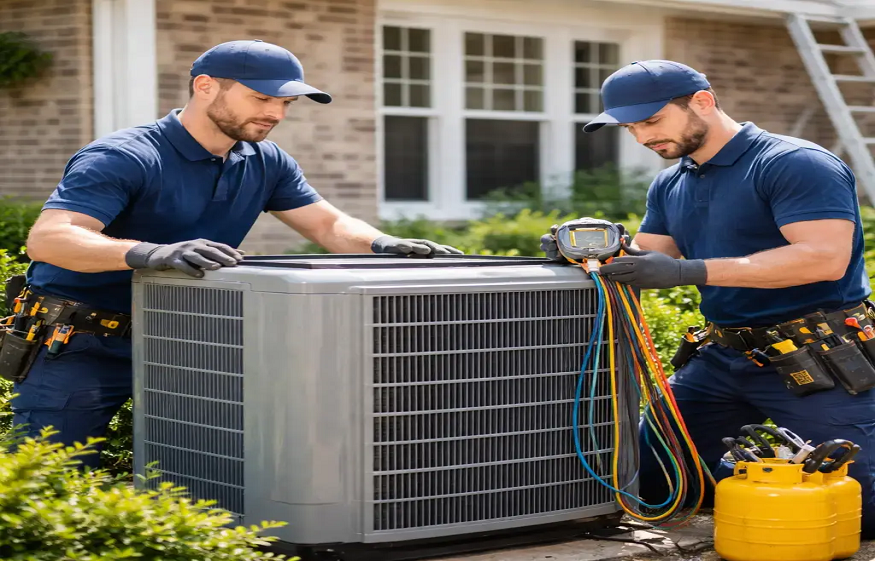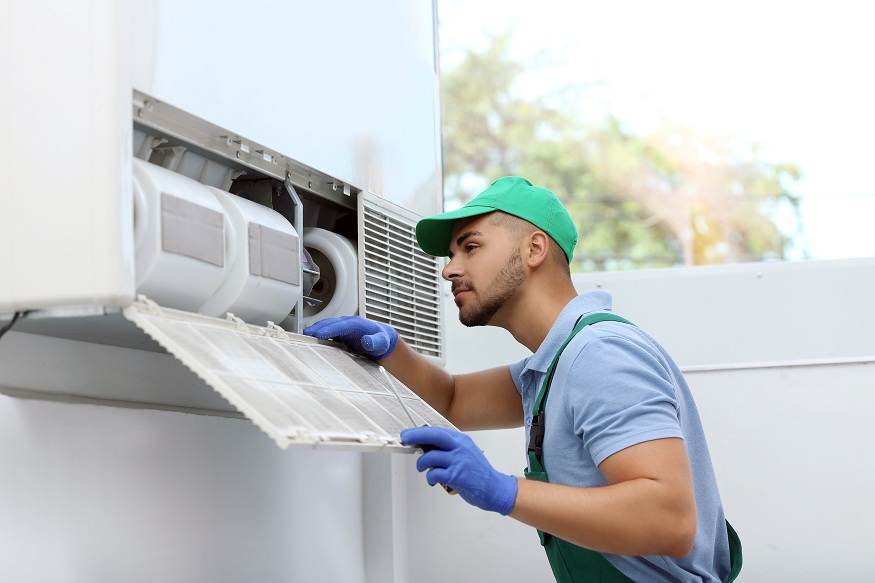
Businesses depend heavily on equipment, HVAC systems, electrical infrastructure, and operational technology to maintain productivity and daily operations. When critical systems fail unexpectedly, companies often face downtime, emergency repair costs, reduced efficiency, and customer disruptions. Regular system checkups help organizations identify minor issues early, improving reliability while reducing the risk of expensive breakdowns that affect both performance and profitability over time.
Many companies invest in a service maintenance plan because preventative inspections can significantly reduce long-term operational expenses. Scheduled maintenance allows technicians to identify worn components, airflow restrictions, electrical concerns, and efficiency losses before they escalate into major failures. This proactive approach helps businesses protect valuable equipment, improve energy efficiency, and maintain consistent workplace comfort throughout the year.
Preventative Maintenance Reduces Emergency Repairs
Unexpected system failures can disrupt daily operations and create expensive emergency service calls. Routine inspections help businesses avoid these situations by addressing smaller issues before they become major mechanical problems.
Why Early Repairs Matter
Components such as motors, filters, belts, electrical connections, and compressors naturally wear down over time. Without regular inspections, these issues may go unnoticed until complete failure occurs. Emergency repairs often cost significantly more than planned maintenance because they require immediate service, replacement parts, and operational interruptions.
Read More: How to reduce late rent problems before they become serious arrears
Businesses that schedule preventative maintenance often experience fewer unexpected shutdowns and more predictable operating costs throughout the year.
HVAC Efficiency Directly Impacts Utility Costs
Commercial HVAC systems consume a large portion of a building’s energy usage. Poorly maintained equipment often works harder to maintain indoor temperatures, increasing electricity consumption and monthly utility bills.
How Maintenance Improves Efficiency
Dirty coils, clogged filters, refrigerant imbalances, and restricted airflow all reduce HVAC efficiency. Regular servicing improves system performance while helping businesses maintain stable indoor comfort and lower energy costs.
Many companies rely on a service maintenance plan to keep heating and cooling systems operating efficiently during both peak summer and winter conditions. Consistent inspections help extend equipment lifespan while reducing unnecessary strain on HVAC components.
Equipment Lifespan Improves With Routine Checkups
Commercial systems and machinery represent significant investments for most businesses. Replacing large HVAC systems, refrigeration units, or industrial equipment can become extremely expensive if systems fail prematurely.
The Value of Long-Term Equipment Protection
Routine maintenance helps reduce wear by keeping moving parts clean, lubricated, and properly calibrated. Systems that receive regular servicing often last years longer than neglected equipment, allowing companies to maximize return on investment.
Common Maintenance Tasks Include:
- Filter replacement
- Electrical inspections
- Refrigerant level checks
- Belt and motor inspections
- Thermostat calibration
- Airflow testing
These services help improve reliability while lowering long-term repair expenses.
Downtime Can Cost Businesses Significant Revenue
Unexpected mechanical failures often interrupt productivity, customer service, and employee performance. For many industries, even a few hours of downtime can create substantial financial losses.
How Maintenance Supports Business Continuity
Routine inspections help identify weaknesses before critical systems fail. Businesses can schedule planned repairs during off-hours instead of dealing with disruptive emergencies during peak operations.
Reliable HVAC systems also improve workplace comfort, which can positively influence employee productivity and customer satisfaction in commercial spaces.
Indoor Air Quality Affects Employee Health
Poor HVAC maintenance may allow dust, allergens, mold spores, and pollutants to circulate throughout a building. This can negatively affect indoor air quality and workplace comfort.
Why Air Quality Matters in Commercial Buildings
Employees working in poorly ventilated environments may experience discomfort, fatigue, allergies, or respiratory irritation. Clean filters, balanced airflow, and proper humidity control help create healthier indoor conditions.
A properly managed service maintenance plan often includes air quality evaluations and ventilation inspections that support healthier, more comfortable workplaces while improving overall HVAC performance.
Preventative Maintenance Helps Control Budgeting
One major advantage of routine system checkups is improved financial predictability. Businesses can better manage maintenance budgets when repairs are planned instead of unexpected.
Financial Benefits of Routine Maintenance
Emergency breakdowns frequently involve higher labor costs, rush service fees, and operational disruptions. Scheduled maintenance spreads expenses more evenly throughout the year while reducing surprise repair bills.
Long-Term Cost Savings Include:
- Lower energy consumption
- Fewer emergency repairs
- Extended equipment lifespan
- Reduced downtime
- Improved HVAC efficiency
- Lower replacement costs
Consistent maintenance supports stronger long-term financial planning.
Seasonal Inspections Improve System Reliability
Commercial systems often experience heavier workloads during seasonal weather extremes. Summer heat and winter cold can place additional strain on HVAC equipment.
Why Seasonal Maintenance Matters
Pre-season inspections help identify worn components before systems operate under peak demand. Addressing issues early reduces the risk of breakdowns during critical periods when repair availability may become limited.
Businesses that prioritize seasonal servicing often experience more stable heating and cooling performance throughout the year.
Technology and Monitoring Improve Maintenance Results
Modern maintenance programs frequently include advanced monitoring tools that improve diagnostic accuracy and equipment tracking.
Smart Maintenance Solutions
Digital monitoring systems can detect abnormal temperatures, airflow restrictions, energy spikes, or equipment inefficiencies before visible problems occur. These tools allow technicians to respond faster and reduce the risk of unexpected system failures.
Read More:
Category: Home Impovement

112 ViewsLate rent is one of the most stressful issues you can face as a…
Technology-driven maintenance strategies also help businesses improve energy management and operational efficiency.
Professional Service Providers Offer Valuable Expertise
Experienced technicians understand how to identify hidden warning signs that untrained staff may overlook. Professional inspections provide businesses with expert recommendations that improve safety and equipment reliability.
What Professional Maintenance Services Provide
Licensed technicians evaluate HVAC systems, electrical components, ventilation performance, and mechanical equipment using specialized tools and industry standards. Their expertise helps businesses avoid costly mistakes while maintaining safe, efficient operations.
Reliable maintenance partnerships often become essential for long-term operational success.
Conclusion
Regular system checkups help businesses reduce emergency repairs, lower utility costs, extend equipment lifespan, and maintain reliable daily operations. Preventative maintenance improves HVAC efficiency, indoor air quality, employee comfort, and financial predictability while minimizing costly downtime. By investing in professional inspections and structured maintenance plans, companies can protect valuable assets and avoid major operational disruptions. Consistent servicing supports long-term savings, safer workplaces, and stronger business performance, making preventative maintenance one of the smartest investments organizations can make each year.