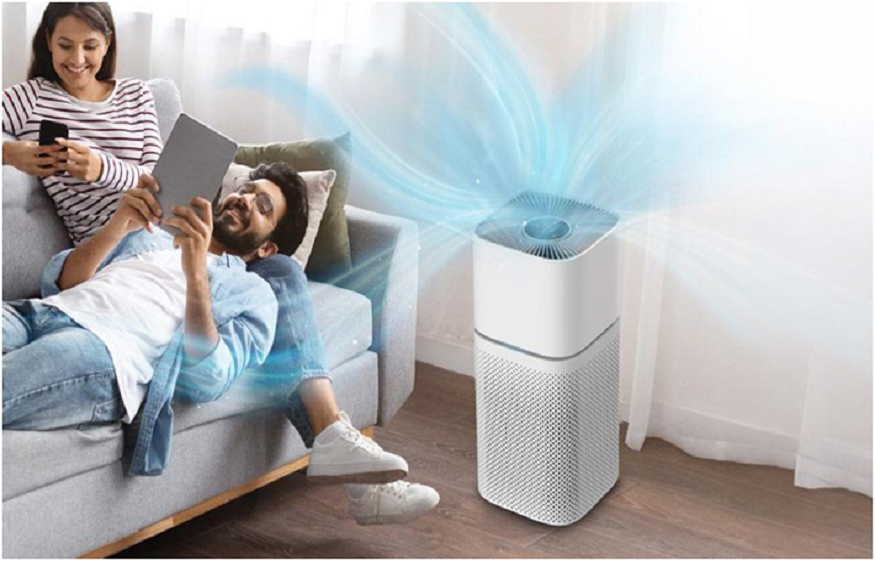
Shopping for an air purifier can quickly get confusing. Browse any store or online catalog, and you will see prices ranging from a few thousand rupees to premium models costing ten times as much. At first glance, they all seem to do the same basic job. They pull in air, pass it through a filter, and blow it back into the room. So why does the overall air purifier price vary so drastically between models?
The reality is that not all purifiers are built equally. While cheap units offer entry-level basic filtering, higher price tags reflect better materials, stronger motors, superior filter grades, and smarter automation. Understanding what goes into that cost helps you make a smart investment for your home.
1. Filtration Quality and Media Density
The heart of any purifier is its filter system. Lower-priced units often use basic synthetic sheets or lower-tier EPA filters that struggle to capture fine particles. In contrast, investing in the best HEPA air purifier model means paying for True HEPA H13 filtration.
True HEPA H13 media removes up to 99.97% of airborne particles down to 0.1 microns, including fine dust, pollen, mold spores, and bacteria. Beyond HEPA, premium units include dense, heavy-duty activated carbon filters. High-grade carbon uses millions of microscopic pores to absorb smoke, chemical VOCs, and household odors. Cheap purifiers skimp on carbon weight, meaning their odor-fighting ability fades in just a few weeks.
2. CADR Ratings and Coverage
Clean Air Delivery Rate (CADR) measures how fast a unit cleans room air. High CADR ratings require powerful, precision-engineered motors and aerodynamically designed fan blades.
Read More : How Reverse Osmosis Removes Contaminants: A Step-by-Step Guide
3. Advanced Airflow Design and Build Standards
Airflow architecture plays a massive role in manufacturing costs. Entry-level units often pull air from a single small vent on the back or side. This limits intake speed and leaves dead zones across the room.
Drawing air from all directions allows the device to process room air much faster. The physical build quality also changes with price. Premium units feature sturdy, soundproofed housing that dampens vibration. Cheap models use thin plastics that can rattle or flex over time.
4. Sensor Accuracy and Smart Automation
The intelligence inside the unit adds another layer to the overall air purifier price. Budget purifiers operate blindly. You have to guess when to turn the fan speed up or down, or they rely on basic timers.
Higher-end purifiers feature high-precision laser sensors and real-time digital displays. These sensors constantly monitor floating fine dust (PM2.5) and harmful gases (VOCs). Paired with AI auto modes, the system responds instantly to sudden pollution spikes, ramping up fan power when you cook or open a window, then dropping back to quiet mode when the air clears.
5. Long-Term Running Costs and Durability
A lower upfront price tag does not always mean lower spending. Cheap purifiers often rely on small, flimsy filters that clog quickly and need replacement every three months. Premium systems use dense, multi-stage filter blocks designed to last much longer under heavy daily use. When you factor in filter replacement frequency, energy efficiency, and solid warranty coverage, a higher-end unit often delivers better long-term value.
Read More : Is a Higher-Priced Water Cooler Always Worth It?
Final Thoughts
Price differences in air purification come down to real performance metrics. When you choose the best HEPA air purifier for your space, you are paying for faster air cleaning, superior particle capture, quieter operation, and intelligent automation that works in the background. Matching your budget to your room size and air quality goals ensures you pay for performance that genuinely protects your home.