An open house can feel very different from a standard property viewing. Instead of preparing for one buyer or family at a time, London sellers may have several groups arriving within a short period, often moving through the same rooms and forming impressions quickly. Good preparation helps the property remain presentable throughout the day rather than looking its best only for the first viewers.
Prepare for the way buyers will move through the property
The first mistake sellers often make is treating an open house like an ordinary viewing. A single viewing allows time to reset rooms between appointments, whereas multiple viewers can mean doors, cupboards, curtains and furniture are being handled repeatedly. A home staging company will usually look beyond how a room photographs and consider how it will function when several people are walking through it.
Start by creating a clear route through the property. Remove furniture that narrows hallways, blocks doorways or makes smaller rooms difficult to navigate. This is particularly important in London flats, where entrance halls, kitchens and living spaces can be compact. Buyers need to move around without feeling that the property is overcrowded.
Keep surfaces as clear as possible, especially in entrance areas and kitchens. A few useful objects can remain, but piles of post, excessive appliances and personal items can make rooms feel less orderly. In bedrooms, reduce the amount stored on chairs, floors and bedside tables so viewers can understand the available space.
Give the entrance extra attention
The entrance sets the tone before a viewer has properly assessed the property. In a London terrace or converted flat, this may be a narrow hallway, shared entrance or small lobby rather than a conventional front porch. These areas should therefore be clean, bright and easy to move through.
Read More: Top Geysers for Indian Homes in 2026: A Buyer’s Guide That Actually Helps
Check that outdoor paths, front steps and entrance doors are presentable. Inside, remove coats, shoes and bags that would otherwise gather as viewers arrive. If there is limited hallway storage, avoid trying to hide everything behind a crowded door. The aim is to make the entrance feel functional rather than overloaded.
Lighting also matters when viewers arrive at different times of the day. Open curtains and blinds where appropriate, clean windows and replace failed bulbs before the viewing period begins. In darker London properties, particularly lower-ground flats or rooms facing narrow streets, consistent lighting can make the space easier to assess.
Stage for repeated viewings, not just photographs
Professional photographs and an open house serve different purposes. Photographs need carefully composed rooms, while an open house requires a property that continues to look orderly as people move through it.
Choose furniture that leaves practical walking space around key areas. A sofa that looks proportionate in a photograph may become an obstruction when several people are standing in the same room. Dining tables should not prevent viewers from reaching windows or moving between rooms.
Bathrooms need particular attention because they are frequently inspected closely. Remove unnecessary toiletries, cleaning products and laundry. Keep towels simple and fresh, clean mirrors and make sure ventilation is working. Kitchens should receive similar treatment. Clear worktops, empty the draining board and put away food packaging before viewers arrive.
For occupied homes, prepare a simple reset routine. Beds can be made before the first viewing, bins emptied, washing put away and dishes cleared. If several appointments are scheduled, check the kitchen, bathroom and entrance periodically rather than assuming everything will remain untouched.
Help buyers understand the property quickly
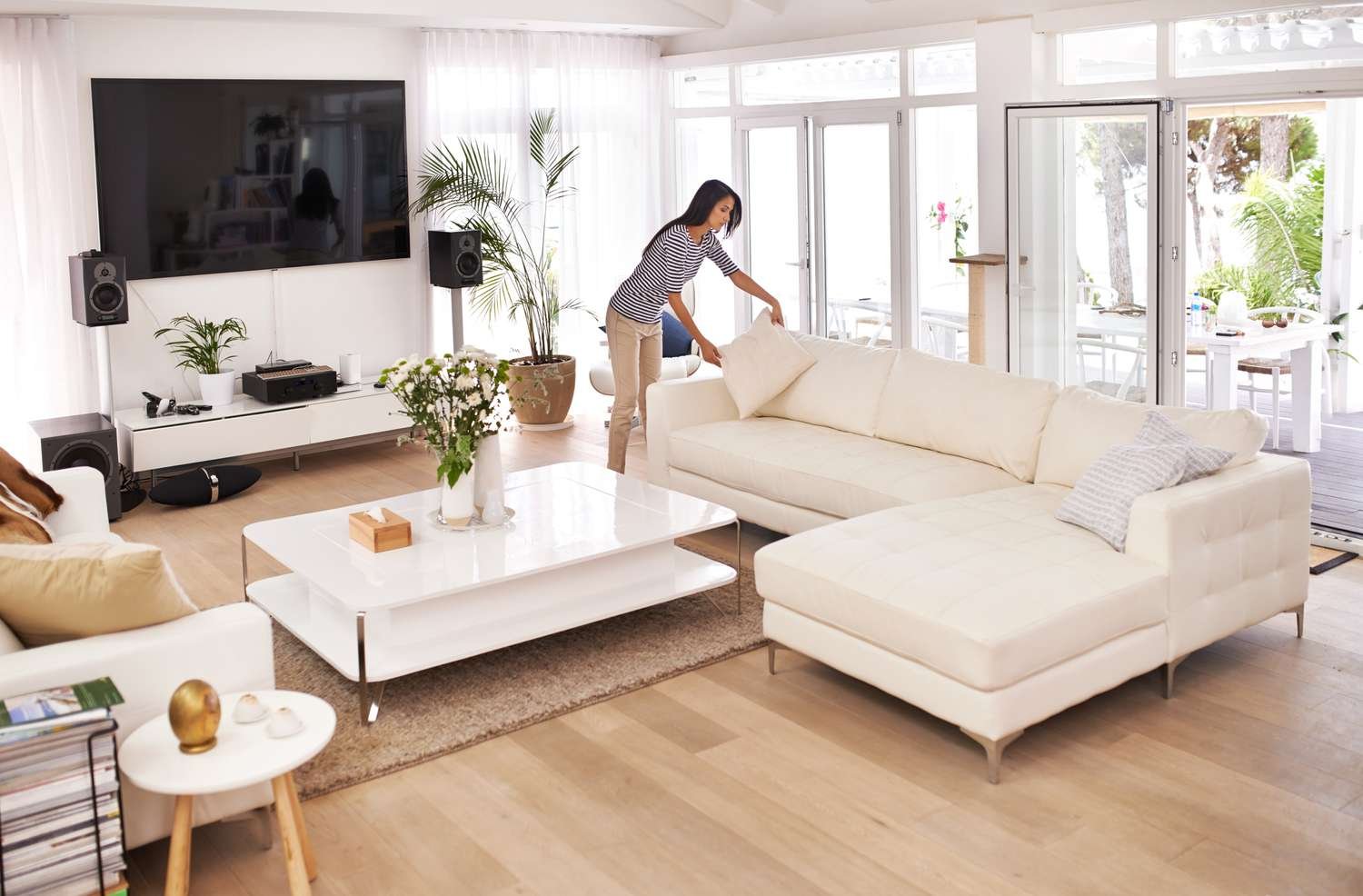
Multiple viewers may spend only a limited amount of time in each room, so presentation needs to communicate the purpose and proportions of the space without explanation. Home Staging Furniture should make it obvious where a dining table, sofa or bed can reasonably sit, particularly in rooms with unusual layouts.
This is especially useful in London properties where rooms may have been altered, divided or extended over time. A reception room used partly as a home office should still make its main function clear. If a bedroom is being used entirely for storage, buyers may struggle to judge its potential.
Neutrality does not mean removing every sign of occupation. A well-presented home should still feel believable and usable. The important distinction is between purposeful furnishings and visual clutter. A small dining arrangement, neatly dressed bed or limited selection of accessories can help viewers understand how the rooms work without distracting from the property itself.
Read More: Why Choose Trusted uPVC Doors and Windows Manufacturers for Your Home
Temperature, smells and noise should also be considered. Air the property before viewers arrive, avoid strong cooking smells and keep televisions or loud music off. In busy London locations, sellers cannot control every external sound, but they can avoid adding unnecessary noise inside the property.
What a well-staged open house achieves
The strongest preparation allows buyers to concentrate on the property rather than the effort required to look past its contents. Clear circulation makes rooms easier to inspect, appropriate furniture helps viewers judge scale, and consistent presentation prevents the home from appearing noticeably less appealing as the day progresses.
An unstaged property can still contain attractive features, but clutter, awkward furniture and unfinished cleaning can compete for attention. During an open house, those distractions become more noticeable because several people are assessing the same space at once.
The practical takeaway is to prepare for the entire viewing period, not just the moment the first buyer arrives. Walk through the property as if you were a visitor, remove anything that obstructs movement, simplify busy rooms and create a short reset routine for the day. This gives every viewer a clearer opportunity to understand the home and how it could work for them.