Preparing your home for a Dubai summer is no longer just about aesthetics. It is about comfort, efficiency, and protecting long-term property value. With temperatures regularly exceeding 40°C, interiors must work harder. Materials, layouts, and cooling strategies all play a role in how liveable your space feels between May and September. A well-timed refresh can reduce energy costs, improve air quality, and position your property competitively in a market that increasingly rewards quality finishes.
For homeowners investing in home interior design in Dubai, the focus in 2026 has shifted towards smart upgrades rather than full relocations. The data supports this. Dubai’s property market opened the year with AED 72.4 billion in monthly sales, while renovation-led upgrades in established communities are delivering a 22% to 30% equity lift. Instead of moving, owners are refining what they already have. A structured, room-by-room refresh ensures every dirham spent contributes to comfort, efficiency, and resale appeal.
Why a Pre-Summer Interior Refresh Matters in Dubai
A spring refresh is not a luxury. It is a strategic decision. With rising energy costs and increased awareness of sustainability, homeowners are prioritising upgrades that improve thermal performance. AI-driven climate control systems, when integrated during a refresh, can reduce summer energy consumption by up to 20%. That is a measurable saving during peak cooling months. Working alongside an experienced interior design company in Dubai can ensure these technologies are seamlessly incorporated into your home’s design.
Read More: Prominent Buildings With a Victorian Style
There is also a financial angle that cannot be ignored. Industry experts recommend allocating 7% to 10% of a property’s purchase price for a high-quality interior refresh. In practical terms, for a AED 2,000,000 property, that translates to AED 140,000 to AED 200,000. This level of investment ensures the home remains competitive in both rental and resale markets, particularly as buyers in 2026 prioritise energy efficiency and modern finishes—something a professional interior design company in Dubai can help you achieve with precision.
Understanding Costs Before You Begin
Budget clarity is essential before starting any refresh. In Dubai, a light makeover typically costs between AED 180 and AED 280 per square foot. This includes painting, lighting upgrades, and minor fixture changes. For a 1,500 sq ft apartment, that equates to approximately AED 270,000 to AED 420,000. A full luxury transformation, by contrast, starts at AED 900 per square foot and can exceed AED 1,350,000 for the same size.
Material choices are driving these costs. The shift towards “quiet luxury” means higher spending on natural stone, engineered wood, and bespoke finishes. At the same time, sustainable materials have seen over 40% growth in adoption. Low-VOC paints, UV-resistant coatings, and LEED-ready materials are no longer niche. They are becoming standard, especially for homeowners planning to stay through the summer months.
Permits, Approvals, and What You Can Do Quickly
Not every upgrade requires formal approval. The Dubai Building Permit System (BPS) 2.0 now uses AI to streamline renovation permissions. However, light refresh activities such as painting, furniture replacement, and lighting upgrades generally do not require permits. This makes them ideal for pre-summer preparation when timelines are tight.
For structural changes, such as wall modifications or HVAC system upgrades, approvals are mandatory. These can take several days depending on the scope. Planning ahead ensures you avoid delays as temperatures rise. For most homeowners, focusing on non-structural upgrades delivers the fastest and most cost-effective results before peak heat arrives.
Living Room: Designing for Comfort and Social Flow
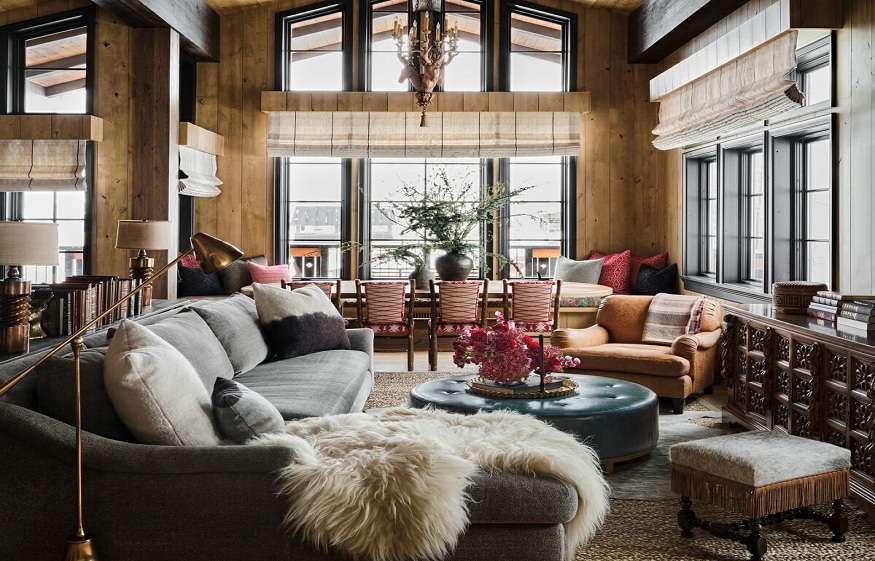
The living room is where temperature discomfort is felt most. Large windows, open layouts, and extended daylight exposure can increase heat retention. In 2026, the shift towards curved silhouettes and social-first layouts is not just aesthetic. These layouts improve airflow and create more adaptable seating zones that work with cooling systems rather than against them.
Material selection is equally important. Replacing heavy fabrics with breathable textiles can make a noticeable difference. Linen blends, lightweight upholstery, and layered lighting help reduce reliance on overhead cooling. Smart blinds or UV-tinted window films are also a practical upgrade. These can lower indoor temperatures while protecting furniture from sun damage.
Kitchen and Dining: Cooling Through Colour and Material
The kitchen is one of the warmest areas in any Dubai home. Appliances, cooking activity, and limited ventilation contribute to heat build-up. In 2026, muted jewel tones and nature-inspired palettes are being used to create a psychological cooling effect. Olive greens, sand tones, and soft greys help the space feel calmer and less intense during peak heat.
Material upgrades also play a role. Quartz countertops with heat-resistant properties, matte finishes that reduce glare, and energy-efficient appliances all contribute to a more comfortable environment. Investing in LED lighting instead of halogen can reduce heat output while lowering electricity consumption, making it a practical and cost-effective upgrade.
Bedrooms: Prioritising Rest and Thermal Comfort
Bedrooms must remain cool and quiet, especially during summer nights. The rise of textile wall design in 2026 reflects this need. Fabric panels and woven textures provide both acoustic insulation and a softer aesthetic. They also help regulate indoor temperatures by reducing heat reflection.
Cooling efficiency should guide every decision in this space. Blackout curtains with thermal lining, breathable bedding materials, and smart climate controls can significantly improve sleep quality. Integrating AI-based cooling systems allows for temperature adjustments throughout the night, ensuring consistent comfort while reducing unnecessary energy usage.
Bathrooms: Small Changes with Big Impact
Bathrooms are often overlooked in refresh plans, yet they can benefit significantly from targeted upgrades. Heat and humidity levels in Dubai can lead to discomfort and long-term wear if not managed properly. Replacing outdated fixtures with water-efficient models can reduce consumption while maintaining performance.
Ventilation improvements are equally important. Installing upgraded exhaust systems or humidity sensors helps maintain air quality and prevent moisture build-up. Even simple changes, such as switching to lighter colour palettes and reflective surfaces, can make the space feel cooler and more open.
Flooring and Materials: Choosing What Works in Heat
Flooring plays a major role in how a home retains or dissipates heat. In Dubai, materials like marble, porcelain tiles, and engineered stone are preferred for their cooling properties. These materials stay cooler underfoot and are easier to maintain during dusty summer months.
Wood finishes remain popular but require careful selection. Engineered wood with proper insulation backing performs better than solid wood in high temperatures. Investing in quality flooring is not just about aesthetics. It directly impacts comfort levels and long-term durability, particularly in high-traffic areas.
Smart Cooling and Energy Efficiency Upgrades
Technology is reshaping how homes handle summer conditions. AI-driven HVAC systems can now adjust cooling patterns based on occupancy and time of day. These systems can reduce energy consumption by up to 20%, offering both environmental and financial benefits.
There is also a growing financial incentive to adopt these upgrades. As of 2026, the Dubai Land Department has integrated ESG scores into Title Deeds. Homes with energy-efficient retrofits, such as UV-tinted windows and smart HVAC systems, can qualify for Green Mortgages with interest rates 0.25% lower than standard rates. This makes sustainability not just a lifestyle choice, but a financial strategy.
Outdoor Areas: Extending Comfort Beyond Interiors
Balconies and terraces are often underutilised during summer due to extreme heat. However, strategic upgrades can make these spaces usable even in warmer months. Installing shade structures, heat-resistant flooring, and outdoor cooling systems can transform these areas into functional extensions of the home.
Furniture selection is key. Weather-resistant materials that do not retain heat, combined with light-coloured finishes, can make a significant difference. Adding greenery also helps. Plants can reduce ambient temperatures while improving overall air quality, creating a more comfortable outdoor environment.
Timing Your Refresh for Maximum Impact
Timing is critical when planning a summer refresh. Starting in early spring allows enough time to complete upgrades before temperatures peak. This ensures you can immediately benefit from improved comfort and efficiency.
Market conditions also favour early action. With renovation and remodelling accounting for 68.05% of the UAE interior design market, demand for materials and contractors increases closer to summer. Acting early can help secure better pricing and availability, ensuring your project stays on track and within budget.
Final Thoughts
Refreshing your Dubai home before summer is about more than visual appeal. It is a practical investment in comfort, efficiency, and long-term value. With clear cost benchmarks, measurable energy savings, and strong market data supporting renovation-led upgrades, the case for action is strong.
Read More: How to Create a Cohesive Look Throughout an Entire Home
A structured, room-by-room approach ensures every upgrade delivers tangible benefits. Whether it is reducing energy bills, improving indoor air quality, or increasing property value, the right refresh strategy positions your home to perform better in every sense during Dubai’s most demanding season.