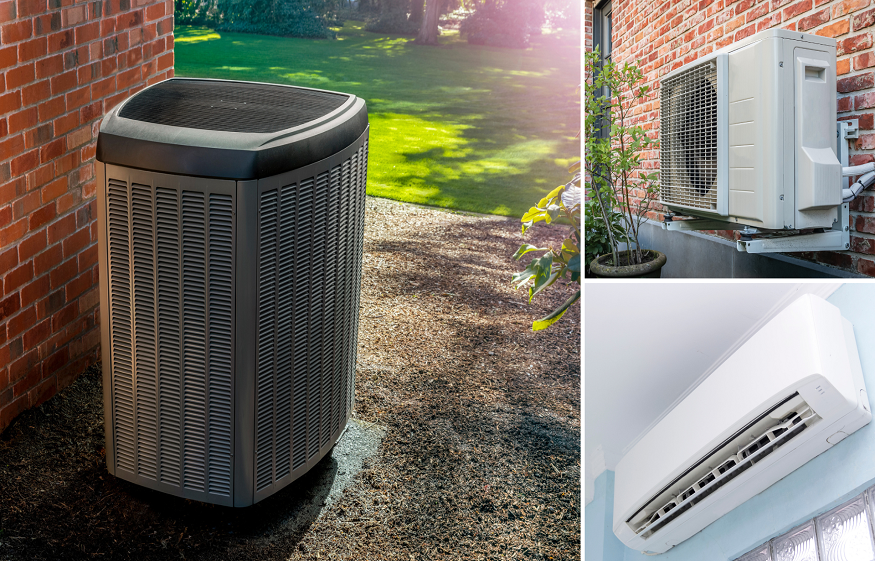
Heat pumps have become an increasingly practical option for homeowners looking for an efficient way to heat and cool their homes. Unlike traditional systems that generate heat, a heat pump moves heat between the indoors and outdoors. This allows the same equipment to provide heating during colder weather and cooling when temperatures rise.
Today’s systems also offer features designed to improve temperature control, system performance, and energy use. For homeowners considering energy-efficient heat pump systems, understanding these features can make it easier to compare options and choose equipment that fits the home’s needs.
Variable-Speed Operation
One useful feature found in many modern heat pumps is variable-speed technology. Instead of operating only at full capacity or shutting off completely, a variable-speed system can adjust its output based on the home’s current heating or cooling demand.
For example, on a mild afternoon, the system may only need to operate at a lower capacity to maintain the desired indoor temperature. During a colder night, it can increase output when more heating is required. This can help maintain more consistent temperatures while avoiding unnecessary starts and stops.
Smart Temperature Control
Modern heat pumps can work with advanced thermostats and home temperature controls. These systems can provide more precise scheduling and make it easier to adjust heating and cooling based on household routines.
● Programmable schedules: Homeowners can set different temperatures for sleeping, working, and times when the house is empty.
● Remote access: Some controls allow temperature adjustments through a smartphone or other connected device.
● Temperature monitoring: Advanced controls can provide more detailed information about indoor conditions.
● System alerts: Certain controls can notify homeowners when maintenance or unusual system behaviour may require attention.
These features can be particularly useful for households with changing schedules or different comfort preferences throughout the day.
Two-Way Heating and Cooling
One of the main advantages of a heat pump is its ability to provide both heating and cooling. Instead of relying on separate systems for each season, the heat pump reverses the direction of refrigerant flow to move heat either into or out of the home.
Read More: Open House Staging: How to Prepare Your Home for Multiple Viewers in One Day
This makes the system useful throughout the year. In winter, it can extract available heat from outdoor air and move it indoors. During summer, the process is reversed, allowing heat to be removed from indoor air.
Cold-Weather Performance
Heat pump technology has continued to develop, including equipment designed to perform effectively during colder outdoor conditions. This matters for homeowners who want to use a heat pump as a primary heating source rather than only during mild weather.
The performance of a specific system will depend on its design, outdoor conditions, installation, and the home’s heating requirements. When comparing systems, homeowners should consider how the equipment is expected to perform during the coldest part of the local heating season rather than focusing only on its performance during moderate temperatures.
Improved Compressor Technology
The compressor is a key part of the heat pump’s refrigeration cycle. Modern systems may use advanced compressor designs that can adjust operation according to demand instead of always running at one fixed level.
● Better output control: The compressor can adjust its operation to match changing heating or cooling needs.
● Reduced cycling: More gradual operation can reduce frequent starts and stops.
● Consistent comfort: Adjusting output can help maintain steadier indoor temperatures.
● Potential energy savings: Operating closer to the actual demand can reduce unnecessary energy use.
The benefits depend on the equipment, installation, climate, and how the system is operated.
Improved Defrost Controls
During cold weather, frost can build up on the outdoor coil of a heat pump. The system periodically needs to remove this frost so it can continue transferring heat effectively.
Modern equipment can use controls designed to initiate defrost cycles when they are needed rather than relying on a simple fixed schedule. More precise defrost operation can help limit unnecessary cycles while allowing the outdoor coil to remain effective during cold conditions.
Better Airflow Management
Airflow has a major influence on heat pump performance. Modern systems may include blower technology that allows airflow to be adjusted according to the equipment’s operating requirements.
Read More: Why Choose Trusted uPVC Doors and Windows Manufacturers for Your Home
However, even advanced equipment depends on the home’s ductwork being properly designed and maintained. Leaky ducts, blocked vents, dirty filters, or restricted returns can still create comfort problems. A new heat pump can’t compensate for every airflow issue within the home.
Zoning and Room-by-Room Comfort
Some heat pump installations can be paired with zoning systems that allow different areas of a home to be controlled separately. This can be useful in larger homes or properties where different rooms have noticeably different heating and cooling needs.
For instance, bedrooms may need less heating during the daytime when they’re empty, while a home office may need more consistent comfort. Zoning can provide greater control without requiring the entire home to maintain the same temperature at all times.
Noise Reduction Features
Noise is another area where newer HVAC equipment can offer improvements. Variable-speed operation, improved fan designs, and better cabinet construction can help reduce the noticeable sound produced during normal operation.
The installation itself also matters. Equipment that is correctly positioned, secured, and connected can operate more quietly than a system with loose components or vibration issues. Homeowners should therefore consider both equipment design and installation quality when comparing options.
Choosing Features That Actually Matter
Not every feature will be equally useful for every household. A homeowner with a small, consistently occupied property may have different priorities from someone with a larger home, multiple temperature zones, or changing daily schedules.
The best approach is to start with the home’s heating and cooling requirements, then consider which features support those needs. Proper sizing, suitable equipment, good airflow, and correct installation should remain priorities, while smart controls, variable-speed operation, zoning, and other features can be considered based on the home’s specific circumstances.
Conclusion
Modern heat pumps offer a range of features that can improve comfort, temperature control, and system operation. Variable-speed technology, advanced thermostats, improved compressor controls, cold-weather capabilities, and better defrost management are among the developments homeowners may encounter when comparing equipment.
Choosing a heat pump shouldn’t be based on the longest list of features. The system needs to be correctly sized and properly installed for the property and local conditions. Once those basics are covered, homeowners can focus on the features that genuinely fit their comfort preferences, household routine, and long-term energy goals.