Dubai’s property market continues to impress as it closes the third quarter of 2025 with record-breaking figures. Data shows that total real estate transactions surged to $36.2 billion (AED 133 billion), marking a strong 60.8% growth compared to the same period last year. The numbers highlight Dubai’s unwavering global appeal and investor confidence, driven by stable economic conditions, world-class infrastructure, and favourable visa reforms that keep attracting international buyers and developers alike.
The performance in Q3 underlines Dubai’s status as a premier investment hub. From waterfront apartments to luxury villas, the city’s diverse property portfolio continues to deliver value. Analysts note that Dubai’s market maturity and transparency have also improved, making it easier for both residents and foreign investors to buy and sell properties efficiently. With government-backed initiatives and growing foreign participation, the emirate’s property sector shows no signs of slowing down.
Rising demand and record-breaking deals
A major factor behind this surge has been the high demand for properties for sale in dubai across prime locations such as Downtown Dubai, Palm Jumeirah, Dubai Marina, and Jumeirah Village Circle. Buyers from Europe, Asia, and the Middle East have shown renewed interest, fuelled by attractive payment plans and off-plan launches that promise long-term returns. The demand isn’t limited to luxury homes—mid-range and affordable segments have also seen substantial growth, reflecting Dubai’s ability to cater to all income levels.
Property developers have responded quickly to this demand. Many new projects have been announced in Q3 2025, focusing on sustainable living and smart home technology. These projects are designed to meet the evolving lifestyle needs of modern buyers, who increasingly value convenience and eco-friendly features. The result is a market that offers both variety and long-term stability, encouraging more investors to enter while ensuring healthy supply levels across the city.
Off-plan projects lead the surge
Off-plan properties have played a central role in the recent boom, accounting for a large portion of the Q3 transactions. Buyers are drawn to the flexibility of payment structures, lower entry prices, and the potential for high appreciation upon completion. Developers like Emaar, Damac, and Sobha continue to dominate this space, introducing ambitious master-planned communities that redefine modern urban living. These projects often feature a mix of residential, retail, and leisure facilities designed to create self-contained environments for residents.
Investors have shown strong confidence in the off-plan segment due to consistent performance and transparency in handover timelines. Dubai’s regulatory authorities, including the Dubai Land Department (DLD) and RERA, have strengthened buyer protection through escrow requirements and project progress tracking. This has built trust, making off-plan investment a preferred route for both local and overseas buyers seeking strong capital gains.
Luxury property market continues to shine
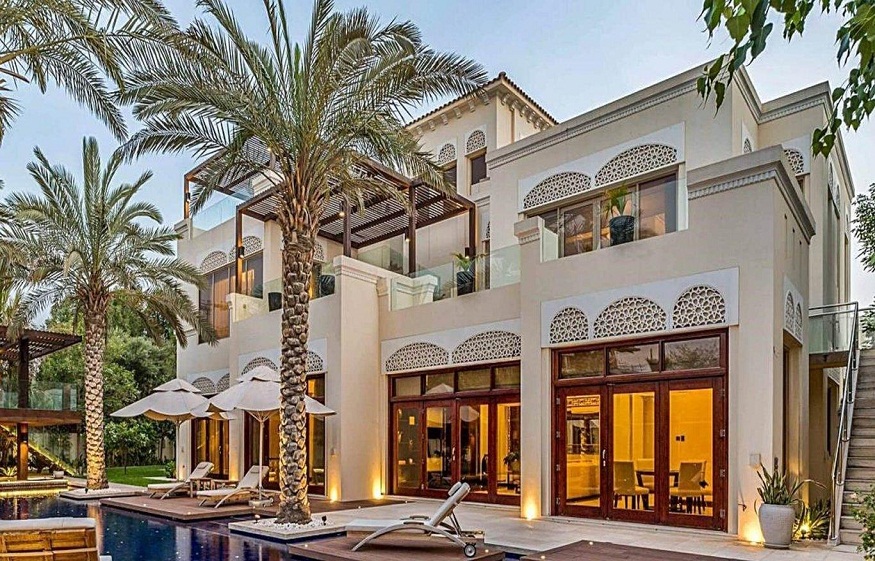
Dubai’s luxury segment has once again proved resilient, with villas and branded residences witnessing exceptional sales. Ultra-high-net-worth individuals from Europe and Asia are driving demand for waterfront villas in Palm Jumeirah and exclusive penthouses in Business Bay and Dubai Hills. The appeal lies not just in the architecture and design but in the lifestyle—access to top-tier restaurants, marinas, golf courses, and proximity to international schools.
This segment’s performance reflects a global shift towards safe and stable property investments amid geopolitical uncertainty elsewhere. Luxury buyers see Dubai not only as a second home destination but also as a reliable wealth preservation hub. The city’s tax-friendly environment, world-class healthcare, and expanding transport network have further cemented its position as one of the most desirable locations for high-end property investments.
Growing interest from international investors
Foreign investment remains a cornerstone of Dubai’s property success. Buyers from the UK, India, Russia, and China have been particularly active, encouraged by simplified ownership laws that allow full property ownership in freehold areas. The introduction of long-term residency visas and investor-friendly regulations continues to make Dubai a safe and attractive choice for international investors.
This growing foreign participation also benefits the local economy through increased tourism, business activity, and service sector expansion. International investors appreciate the city’s transparency and the security of their investments. As a result, Dubai continues to maintain its reputation as one of the most accessible and investor-friendly property markets in the world.
Technology and sustainability shaping the future
Technology and sustainability have become defining themes in Dubai’s property landscape. Many new projects now incorporate smart home systems, renewable energy solutions, and sustainable materials. This focus not only aligns with Dubai’s broader sustainability goals but also appeals to a younger generation of tech-savvy buyers looking for modern, efficient living environments.
Developers are increasingly integrating artificial intelligence, data analytics, and digital tools to enhance property management and improve the customer experience. Virtual tours, blockchain-based transactions, and AI-driven pricing insights are becoming more common, making the buying process faster and more transparent. These innovations are transforming Dubai’s property sector into a forward-thinking, tech-led market that keeps evolving with global trends.
Commercial property and rental sector growth
Beyond residential sales, Dubai’s commercial property sector has also seen renewed momentum. Demand for premium office spaces and retail units has risen as new businesses set up operations in the city, supported by economic diversification efforts and global events. The ongoing influx of foreign companies has fuelled leasing activity, especially in areas such as Business Bay, Dubai Internet City, and Dubai South.
At the same time, the rental market continues to perform strongly. Population growth, job creation, and the city’s appeal as a global business hub have driven consistent demand for rental properties. While rents have risen moderately, they remain competitive compared to other global hubs like London or Singapore, ensuring Dubai remains attractive for expatriates and professionals seeking long-term accommodation.
Government initiatives and market transparency
Dubai’s government continues to play a pivotal role in supporting market growth. Regulatory reforms by the DLD and RERA have improved investor confidence through clear policies, efficient registration systems, and enhanced transparency. The introduction of AI-driven data platforms allows investors to access real-time information on prices and transactions, helping them make more informed decisions.
Furthermore, visa reforms such as the Golden Visa and the recently introduced Blue Residency Visa have provided long-term stability for investors and skilled professionals. These initiatives not only encourage property investment but also foster community growth, as more individuals and families choose to make Dubai their permanent home.
Outlook for 2026 and beyond
Analysts predict that Dubai’s property market will maintain strong momentum heading into 2026. Population growth, ongoing infrastructure developments, and consistent foreign demand are expected to keep driving both residential and commercial property activity. The launch of new master-planned communities and continued focus on sustainable living will further enhance the market’s appeal.
While global economic fluctuations may impact sentiment in some regions, Dubai’s resilience and proactive governance continue to set it apart. The emirate’s long-term vision, supported by strong investor protection and transparent regulation, suggests that the property sector will continue its upward trajectory well into the next decade.
In essence, Dubai’s $36.2 billion milestone in Q3 2025 is more than just a number—it reflects the city’s confidence, adaptability, and sustained global demand. From luxury villas to off-plan apartments, the market offers opportunities for every type of buyer. As new developments reshape the skyline and innovation drives efficiency, Dubai remains firmly positioned as one of the world’s most dynamic and promising property markets.