Homeowners today make roofing decisions with a more thoughtful approach than they did in the past. When looking for professional expertise, they often begin their investigation by consulting a Dallas roofer to determine which contractors are that can provide solid and durable installation. But the main question is, what is a top-quality roofing system in the modern age of construction? The answer is not limited to just the choice of material. It requires the principles of structural engineering as well as climate responsiveness in the installation process, as well as life cycle economics. Roofs are not just an external layer, but an assembly that is designed to handle the effects of water displacement and wind uplift forces, as well as ultraviolet degradation. Modern roofing systems include modern layers of synthetic barriers, underlayments with high-tensile fasteners and ventilators that ensure every layer is functioning in a coordinated manner. When designed properly, it creates an extremely durable barrier that shields interior insulation, structural decking, and the value of a property over time.
What Engineering Principles Define Modern Roofing Performance?
Contemporary roofing materials are controlled by building science. The most common homeowner’s concern is, ” What can I do to determine if my roofing is well-constructed? It’s all in knowing how the materials react to stressors from the environment. Architectural shingles made of asphalt are constructed with fibreglass-reinforced layers to withstand uplift and tear. Metal panels are constructed with hidden fastening systems that allow for thermal movements while also preserving waterproof seals. Synthetic composites resemble the appearance of wood or slate, but reduce weight and moisture absorption. Each type of material has distinct advantages; performance is dependent on a precise technique of installation.
Ventilation is another important factor. Improper ventilation of the roof deck can cause the deterioration of shingles and cause condensation-related damage. The balanced intake and exhaust systems control attic temperature and humidity, protecting both the decking’s integrity and insulation performance. Homeowners who are considering roofing options in Dallas often ask if improvements in ventilation are necessary with the replacement of their roof. From a technical point of view, the answer is yes. Ventilation design has a direct impact on the efficiency of energy, as well as structural durability and the quality of the warranty.
The thermal performance is also worthy of attention. Reflective granules and special coatings cut down on the sun’s heat loss, thereby stabilising the indoor temperature and reducing HVAC demands. In time, this energy moderating helps to improve the cost-effectiveness. Furthermore, the latest water barriers stop capillary infiltration during wind-driven rainfall storms and protect the framing of the interior from structural damage. These elements convert roofing material from a simple covering to a full-on protection system.
In the middle of the process of evaluating Property owners who are researching roofing in Dallas, acknowledge that the experience of contractors has a significant impact on the long-term results. In terms of accuracy, the quality of installation determines if flashing transitions, ridge caps and valley seams keep the watertightness of their construction over time. A skilled contractor performs deck inspections, detects weak spots or sheathing that is damaged and makes sure that the structure is ready prior to installation. This method of diagnosis reduces the chance of failure and improves reliability.
How Does Professional Installation Influence Lifecycle Value?
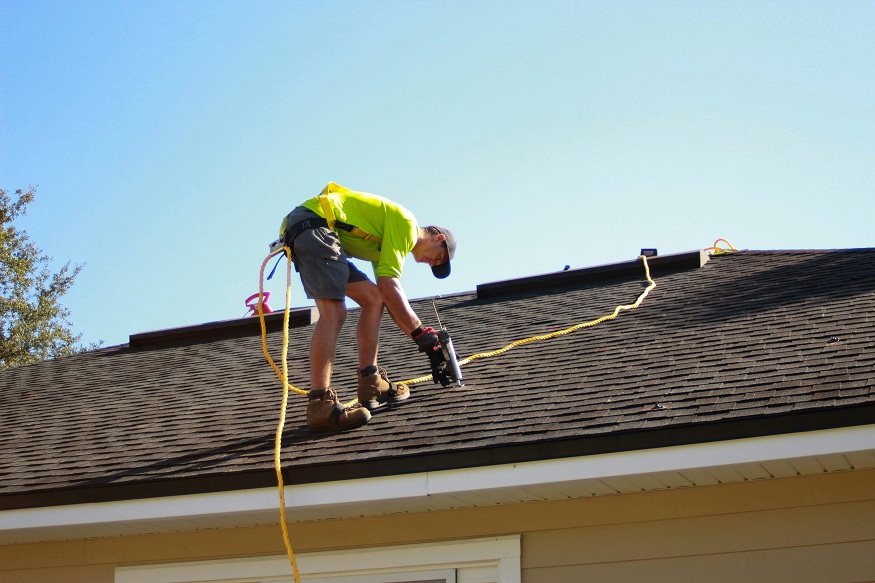
Installation by professionals is a process which requires precision and a keen understanding of regulations. Homeowners often inquire: Why does contractor selection matter if materials are manufacturer-certified? This is a matter of execution. Even the most highly-rated shingles or panels could fail in the event that fastener installation or alignment of underlayments, or flashing installation is poorly executed. A knowledgeable Dallas roofing contractor assesses drain flow, slope pitch, and wind exposure areas prior to determining the best patterns for fastening and sealing applications. This process ensures conformity with warranties from the manufacturer as well as local building codes.
Cost analysis should also be conducted with a plan of attack. Although premium materials and skilled work may result in higher upfront costs, the lifecycle economics often justify the expense. Roof systems designed for 30 or more years minimise the need for replacement, as well as emergency repairs, and secondary damage to the structure. If viewed as a capital investment lens, roofing can be seen as a transition from an expense for the short term to a longer-term asset protection.
Insurance factors also influence decision-making. Wind-rated and impact-resistant assemblies, as well as materials, could increase the eligibility of policies that reward storm-prone regions. Although specific policy changes may differ in the case of structural resilience, it is possible to lower risk exposure overall. Furthermore, systems that are professionally installed are more effective in severe weather and reduce the frequency of claims.
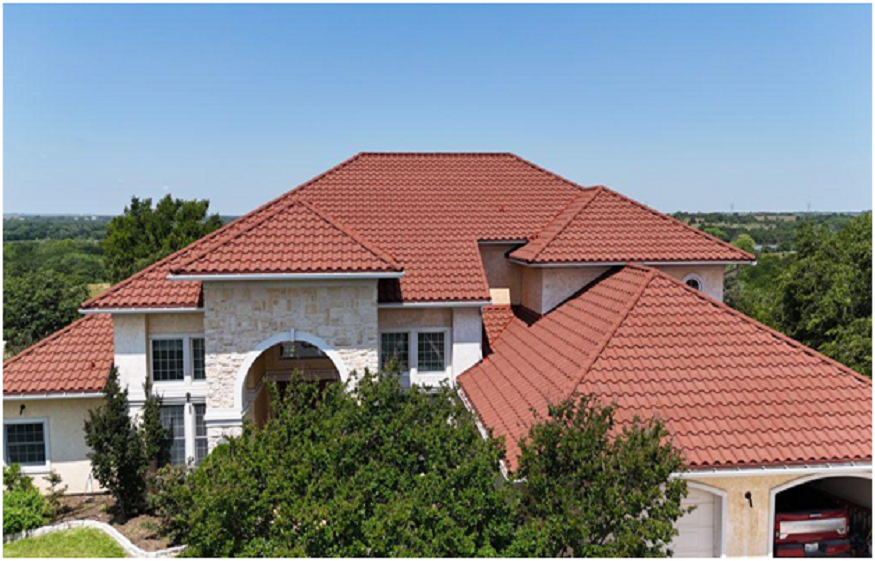
The aesthetics of a building shouldn’t be overlooked. Roofs define architectural characteristics. Standing seam shingles, dimensional shingles, metal panels, and the latest composite materials give a range of shades and textures as well as tonal depth. A seamless roofing design is a perfect match for exterior cladding, trim and landscaping, increasing the curb appeal and enhancing perception of property quality. For those who are planning to sell their home on the resale market an recently-installed professionally engineered roof demonstrates the reliability of its structure and accountable maintenance methods.
Maintenance planning is the last element of the lifecycle value. Regular inspections following severe weather conditions, the removal of debris, and proactively flashing evaluations ensure the integrity of the system. Strategies to prevent damage can lower repair costs and can extend the life of the system. Property owners who have worked with experienced roofing experts in Dallas frequently receive structured maintenance guidelines that are aligned with the manufacturer’s specifications, enhancing longevity over time.
The final decision of choosing the best contractor and the right material system demands the use of analytical analysis instead of the process of making a decision in a reactive manner. By understanding the fundamentals of engineering, such as ventilation science, the precision of installation, and cost-of-life analysis, homeowners are able to make educated decisions about their investments. If you’re thinking about upgrading or replacing your structural system, working with a certified Dallas roofing contractor and consultants for the field of roofing Dallas makes sure that your home is secured with an approach designed for durability, efficiency, effectiveness, and long-term security.